
Cats use specialized sensory hairs to read nearby space, movement, and contact that vision alone cannot capture. That is the short answer to why do cats have whiskers. These hairs also protect the face, support hunting, and communicate mood.
Quick answer: Cats have these stiff sensory hairs because they help detect touch, airflow, obstacles, and nearby movement. They improve close-range awareness and protect sensitive facial areas. They also help during hunting and provide visible clues about a cat’s emotional state.
| Key fact | What it means |
|---|---|
| Scientific name | Vibrissae |
| Main role | Close-range touch and spatial information |
| Common locations | Muzzle, above the eyes, chin, and front legs |
| Typical muzzle pattern | About 12 on each side for many cats |
| Should owners trim them? | No, because cutting reduces useful sensory input |
| Do they grow back? | Usually, if the follicle remains healthy |
Key Takeaways
- These tactile hairs detect tiny movements and changes near the face.
- They help compensate for limited close-focus vision.
- They can protect the eyes and face from nearby hazards.
- Carpal vibrissae on the front legs add information during hunting and climbing.
- True balance mainly depends on the vestibular system, not facial hairs.
- Cutting them is unnecessary and can make navigation harder.
What Cat Whiskers Are and How They Work
These sensory hairs are thicker and stiffer than ordinary fur. Their follicles sit deeper in the skin and contain many nerve endings. The hair shaft itself does not feel pain, but movement activates those sensitive tissues.
When a hair bends, receptors around its base send information toward the brain. That signal can reflect touch, vibration, or shifting air around nearby objects. VCA Animal Hospitals describes them as specialized tactile equipment for daily navigation.
Most people notice the long hairs on the muzzle first. Cats also have vibrissae above the eyes, around the chin, and near the front legs. NewsJoury’s Maine Coon cat guide offers more breed-specific feline context.
Why Do Cats Have Whiskers? 7 Key Jobs
1. They Sense Nearby Objects
Cats do not need direct skin contact to notice every nearby object. Small changes in airflow can bend the sensory hairs around the muzzle. Those movements give the brain extra information about what is close.
2. They Improve Close-Range Awareness
Feline vision works differently from human vision at close distances. PetMD notes that cats have difficulty focusing on objects directly under their noses. Sensitive facial hairs help fill that short-range information gap.
3. They Help Judge Openings and Tight Spaces
Contact with a doorway, box, or narrow gap gives immediate spatial feedback. That information helps a cat judge how close surrounding surfaces are. Body size still matters, so hair length is not a perfect measuring tape.
4. They Help Protect the Eyes and Face
Hairs above the eyes can trigger protective responses when something brushes nearby. A cat may blink or pull away before debris reaches sensitive tissue. This reaction is useful around plants, furniture, and moving objects.
5. They Add Precision During Hunting
Close prey can move outside a cat’s sharpest visual range. Facial and leg vibrissae provide extra touch information during the final moments of a pounce. That feedback can help track movement near the paws and mouth.
A 2026 Live Science report highlighted carpal vibrissae behind the front legs. Experts described these hairs as useful when prey is held close. The detail adds a newer angle to familiar explanations about feline touch.
6. They Support Body Awareness, but They Are Not the Main Balance System
Some veterinary sources connect vibrissae with proprioceptive information about body position. That can support orientation and movement through cluttered spaces. It does not mean these hairs create a cat’s sense of balance.
True balance depends heavily on the vestibular system inside the inner ear. Cornell describes that system as a major detector of head position and movement. This distinction corrects a common oversimplification about feline balance.
7. They Show Part of a Cat’s Mood
These hairs move because small muscles can change their position. Relaxed positioning often accompanies calm behavior, while forward movement can appear during intense interest. Pulled-back positioning may accompany fear, stress, or discomfort.
Where Cats Have These Sensory Hairs
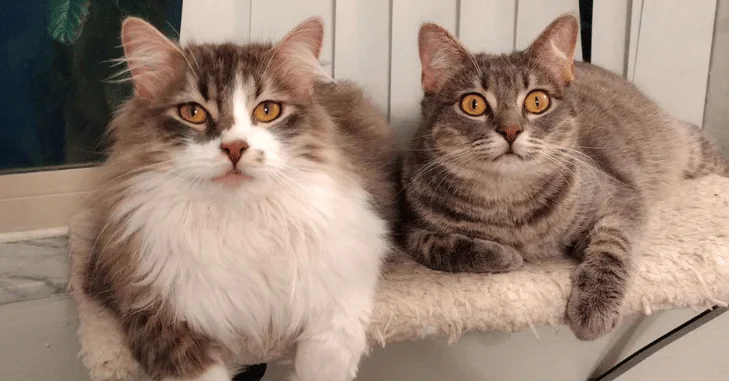
The muzzle carries the most obvious set, usually arranged in orderly rows. VCA reports that many cats have about 12 on each cheek. The exact number, length, curl, and color can vary between individuals.
Other groups sit above the eyes, on the chin, and behind the front legs. These locations give the animal sensory coverage around important contact zones. They also explain why trimming facial hair alone misses the system’s broader design.
Should You Ever Trim Cat Whiskers?
Owners should not trim them for appearance or routine grooming. Cutting the shaft is not like cutting living tissue, so the cut itself is not painful. The problem is losing part of an important sensory system.
A cat with shortened hairs may become more cautious in unfamiliar spaces. PetMD says the hairs usually regrow when their follicles remain healthy. Facial regrowth can take roughly six weeks to three months.
If one falls out naturally, there is usually no reason to panic. Normal shedding can replace individual hairs over time. Sudden widespread loss, skin changes, or repeated breakage deserves veterinary attention.
Is “Whisker Fatigue” Real?
The phrase describes proposed stress from repeated contact with narrow food or water bowls. It sounds plausible because these structures are highly sensitive. Still, current evidence does not support treating it as a settled veterinary diagnosis.
A 2021 study followed 40 indoor cats using regular and “whisker-friendly” dishes. Bowl type did not change eating time, food intake, or dropped food. Some cats preferred the wider dish, so individual preference may still matter.
Trying a wide, shallow bowl is reasonable when a cat seems uncomfortable. A sudden appetite change should not be blamed on bowl shape alone. Dental disease, nausea, pain, and other problems require veterinary assessment.
How to Protect This Sensory System at Home
Gentle handling is usually all these hairs need from you. Avoid pulling, plucking, trimming, or repeatedly bending them during grooming. Let a veterinarian evaluate unusual loss or skin irritation around the follicles.
Use grooming tools carefully around the muzzle and eyes. Consider a wide bowl if your cat consistently avoids deep dishes. Remove sharp face-level obstacles, and watch for new hesitation, appetite changes, or sensitivity.
Pet care needs differ across species, so grooming advice should stay animal-specific. NewsJoury’s Shih Tzu grooming guide shows how coat care can change by breed. For broader animal topics, browse the NewsJoury Pets section.
Frequently Asked Questions
Why do cats have whiskers if they can already see well?
Vision cannot provide perfect information at every distance or lighting level. These tactile hairs add close-range data about contact and movement. They give the brain another stream of information about nearby space.
Do cat whiskers grow back after being cut?
They usually grow back if the follicle remains healthy. PetMD gives a facial regrowth range of roughly six weeks to three months. Owners should still avoid cutting them because regrowth takes time.
Do cats lose these hairs naturally?
Yes, individual hairs can shed during a normal growth cycle. Finding an occasional shed hair is usually not concerning. Multiple missing hairs with skin disease or discomfort deserve a veterinary check.
Can cats feel pain in the hair itself?
The shaft is made from keratin and does not contain pain nerves. Sensation comes from specialized tissues around the follicle. Pulling or plucking can hurt because it disturbs those sensitive structures.
Do these hairs help cats balance?
They support spatial awareness and may contribute information about body orientation. The inner-ear vestibular system is the main balance mechanism. Confusing spatial feedback with true balance creates a common myth.
The Bottom Line
Understanding this sensory system shows how much information a cat gathers around its face. These hairs support navigation, protection, hunting, and communication without replacing vision or the inner ear. The safest care choice is simple: leave them intact and watch for unusual changes.
If your cat suddenly avoids food, seems disoriented, or loses many sensory hairs, contact your veterinarian. Small behavior changes can sometimes signal a medical problem rather than a grooming issue. For more practical animal guides, continue through NewsJoury’s pet coverage.
