
Last Updated on April 9, 2026 by Nadeem Ahmad
When a child shows signs of developmental differences, it can feel overwhelming as a parent to know where to begin. For families of children on the autism spectrum, everyday routines and learning tasks can present unique challenges. Kool KATTS provides personalized care and support through autism spectrum disorder occupational therapy to help children grow, learn, and participate fully in daily life. The approach emphasizes practical strategies, consistent guidance, and individualized programs designed to help children thrive.
Understanding Occupational Therapy for Children
Occupational therapy is designed to help children perform activities that are meaningful to their daily lives. This includes basic self-care tasks like eating, dressing, and grooming, as well as school-related skills such as writing, drawing, and using technology effectively. For children with autism, these tasks can be complicated by sensory sensitivities, motor coordination difficulties, or challenges with attention and focus.
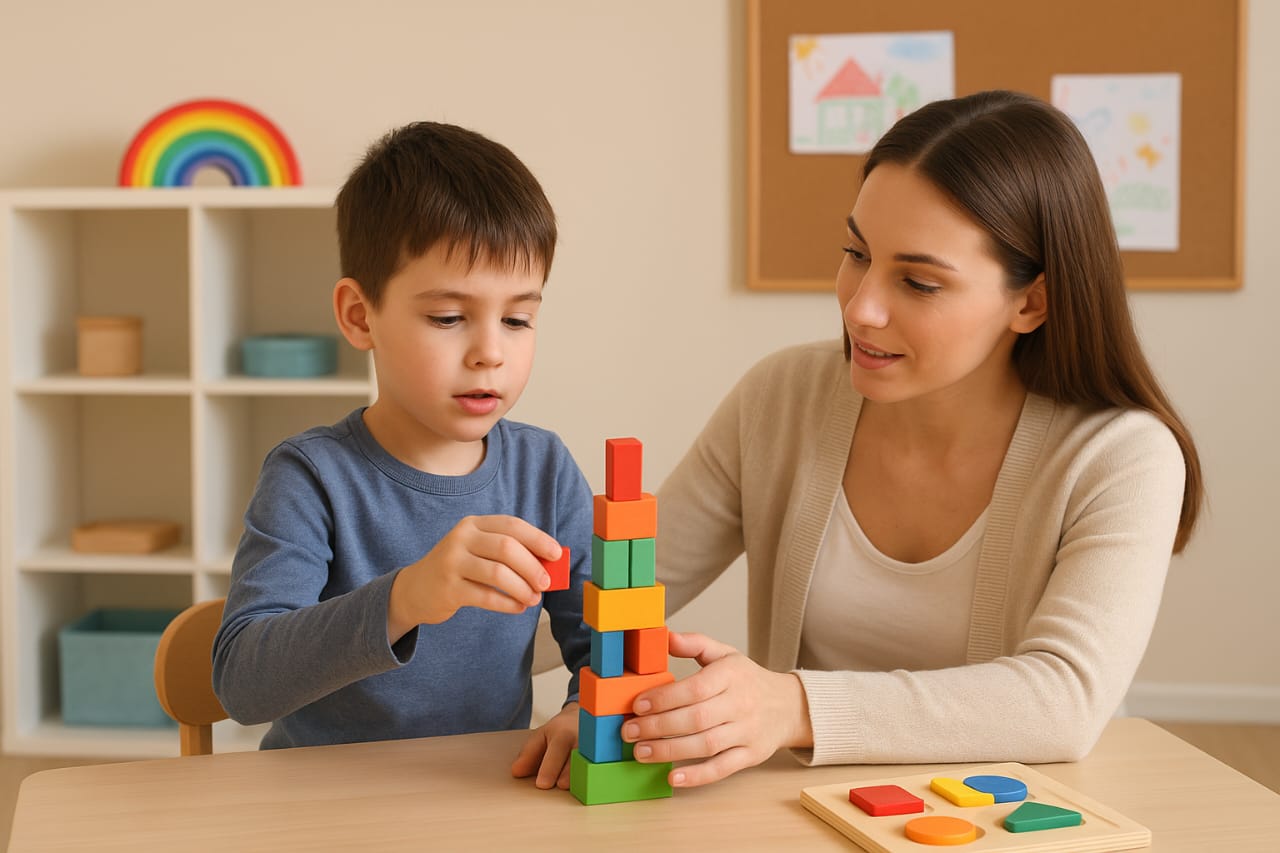
The team works closely with your child to understand strengths, challenges, and interests. Sessions are tailored to make learning enjoyable while targeting specific skills. Through structured routines and engaging activities, children can gradually improve independence and confidence.
Building Everyday Life Skills
A significant focus of our work is helping children develop skills that support everyday independence. This includes:
- Self-care routines: Dressing, eating, brushing teeth, and using utensils may require step-by-step guidance. Strategies and adaptive tools are provided to make these tasks achievable.
- Motor skills: Many children with autism experience difficulties with fine and gross motor skills. Fine motor work includes activities like holding a pencil, buttoning clothes, or tying shoelaces, while gross motor work focuses on balance, coordination, and posture. Improving these skills supports your child’s ability to participate in play, school, and social activities.
- Organization and sequencing: Completing multi-step tasks can be overwhelming. Occupational therapists help children learn to plan and sequence actions, improving the ability to manage routines independently.
Supporting Sensory Needs
Children with autism often process sensory information differently, which can affect how they respond to touch, sound, movement, or visual stimuli. Autism spectrum disorder occupational therapy carefully assesses each child’s sensory profile and provides strategies to manage sensitivities.
For example, a child who is sensitive to noise may benefit from structured breaks and calming techniques, while a child who seeks sensory input may use movement-based activities to stay engaged. Addressing sensory needs helps children feel more comfortable and confident in their daily environments.
Encouraging Social Interaction and Play
Play is an essential part of a child’s development. Through play, children learn communication, problem-solving, and social skills. For children with autism, social interactions can sometimes feel confusing or overwhelming.Therapists guide children through structured play that encourages sharing, turn-taking, and understanding social cues.
Parents are supported with guidance on how to extend these skills at home. By practicing strategies in everyday situations, a child can gain confidence in social settings while learning meaningful ways to connect with others.
Promoting School Success
School presents both opportunities and challenges for children with autism. Occupational therapy can support your child in the classroom by improving:
- Handwriting and fine motor skills: Activities like drawing, coloring, or using scissors can be adapted to your child’s level and gradually improved.
- Focus and attention: Strategies are taught to help children stay engaged in tasks and manage distractions.
- Adaptive learning tools: Using assistive technology or modified classroom materials can support your child in completing tasks independently.
The goal is to help children feel more capable and confident at school so that learning becomes an enjoyable experience rather than a stressful one.
Working With Families
Children benefit most when families are actively involved in therapy. Therapists work closely with parents and caregivers to provide practical guidance, home-based strategies, and consistent support.
Regular communication ensures that you understand your child’s progress and can continue reinforcing skills outside of therapy sessions. This partnership is essential in helping children apply what they learn to real-life situations.
Tailored Programs for Individual Needs
No two children are alike, and this is especially true for children on the autism spectrum. Occupational therapy programs are highly individualized, designed to address each child’s unique needs.
- Assessment-based approach: The process begins with a thorough assessment of the child’s strengths, challenges, and sensory profile.
- Goal-oriented planning: Realistic and meaningful goals are set that focus on functional skills.
- Flexible sessions: Therapy activities are adapted based on your child’s progress, interests, and motivation to ensure consistent engagement.
This individualized approach helps children make steady progress while building confidence and independence in everyday activities.
Emphasizing Confidence and Independence
One of the most rewarding aspects of occupational therapy is watching children gain confidence in their abilities. As they practice and succeed in completing tasks, children often develop a greater sense of autonomy. Simple accomplishments, like tying shoelaces or participating in classroom activities, can have a significant impact on their self-esteem.
Therapists focus on creating small, achievable steps that lead to long-term success. By celebrating progress and providing consistent support, children can feel capable, motivated, and ready to take on new challenges.
Supporting Emotional Well-being
Occupational therapy is not only about physical and cognitive skills it also plays a vital role in emotional regulation and well-being. Children with autism may experience anxiety, frustration, or sensory overload. Therapists integrate calming strategies, coping mechanisms, and structured routines to support emotional resilience.
By providing a safe and supportive environment, children can explore new skills without fear of failure. This emotional foundation is essential for building lasting independence and social confidence.
Partnering With Schools and Communities
Work extends beyond the therapy room. Collaboration with schools, educators, and community programs ensures children receive consistent support across different environments. This coordination helps children generalize the skills learned in therapy to real-world settings, improving participation in school, sports, and community activities.
Conclusion
Supporting a child on the autism spectrum requires a thoughtful, individualized approach. At Kool KATTS, occupational therapy that addresses daily living skills, sensory processing, social interaction, and emotional well-being. By tailoring programs to each child’s unique needs and partnering closely with families, we help children develop independence, confidence, and a sense of achievement in everyday life. If you’re looking for dedicated support for your child, our team is ready to guide you through the journey of growth and learning through autism spectrum disorder occupational therapy.
If you want to know about What Are The Roles And Responsibilities Of A General Physician then visit our Health category.
For more information on everyday life skills for children, you may find The Essential Guide to Septic Tank Installation useful.
For more information on orthodontic treatment, which can help address dental issues often associated with autism, visit The Latest Information About Orthodontic Treatment.
For more information on orthodontic treatment that can help manage dental issues often associated with autism, you might find The Latest Information About Orthodontic Treatment useful.
For more information on orthodontic treatment, which can help address dental issues often associated with autism, visit The Latest Information About Orthodontic Treatment.
For more information on orthodontic treatment, which can help address dental issues often associated with autism, visit The Latest Information About Orthodontic Treatment.
For more information on orthodontic treatment, which can help address dental issues often associated with autism, visit The Latest Information About Orthodontic Treatment.
For more information on orthodontic treatment that can help manage dental issues often associated with autism, you might find The Latest Information About Orthodontic Treatment useful.
For more information on how to prepare a requirement file for a research paper on occupational therapy for children with autism, you might find this article helpful: How to Make Requirement File for Research Paper Before Writing It
