
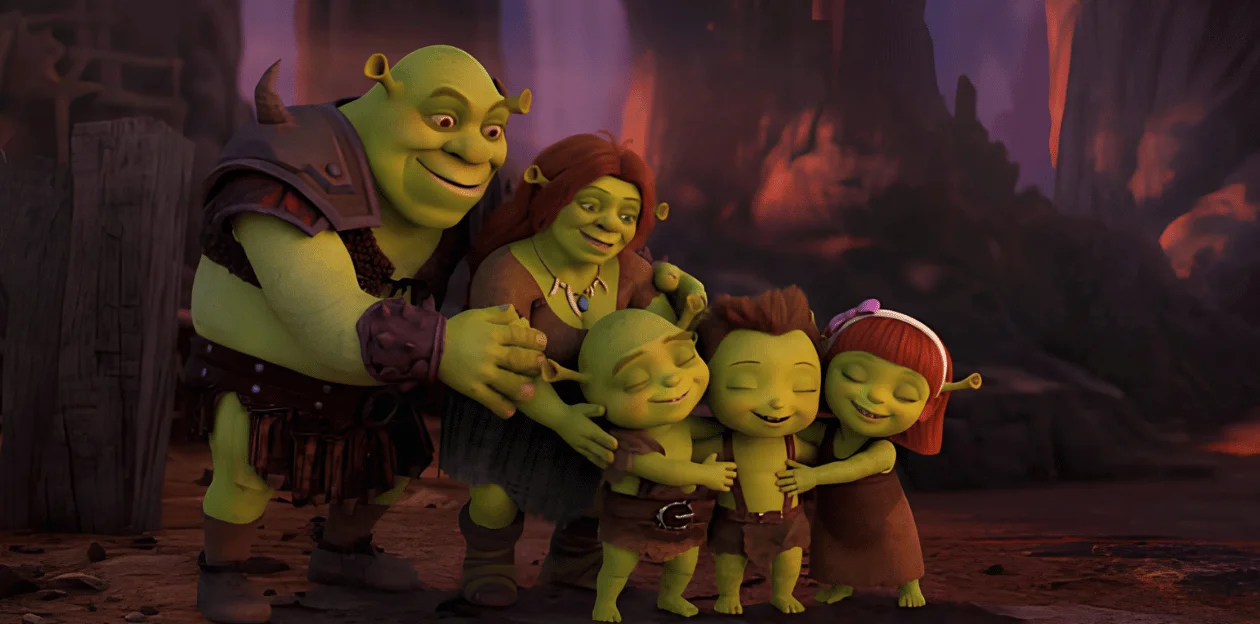
The Shrek smiling image is more than a random frame from an animated movie. It became a popular reaction meme because one grin can suggest confidence, mischief, flirting, or an unspoken plan. The best-known version comes from Shrek the Third, released in 2007.
Quick answer: The famous smiling Shrek meme comes from Shrek the Third. In the original scene, the ogre smiles to reassure Arthur after appearing to be stabbed. Internet users later reframed the expression as a confident, suspicious, or flirtatious reaction called “Shrek Rizz.”
| Key fact | Answer |
|---|---|
| Meme source | Shrek the Third |
| Movie release | 2007 |
| Original meaning | Reassuring Arthur that he is okay |
| Modern meme meaning | Confidence, flirting, mischief, or suspicious intent |
| Popular nickname | Shrek Rizz |
| Common formats | GIF, reaction image, edited video, meme template |
| Major spread period | 2022–2024 |
| Common platforms | TikTok, X, Reddit, GIF sites |
Key takeaways
- The familiar grin comes from a real scene in the third movie.
- Its original meaning was reassuring rather than romantic or sinister.
- TikTok edits helped turn the look into a “rizz” reaction.
- Different smiling frames now circulate under the same broad search term.
- The meme works because its meaning changes easily with the caption.
Where Does the Shrek Smiling Meme Come From?
The most recognizable version comes from the climax of Shrek the Third. Prince Charming appears to stab the green ogre during a staged confrontation. Arthur looks worried, so the supposed victim quietly smiles to show that he is fine.
That context makes the internet version much funnier. The original expression communicates reassurance between characters. Removed from the movie, the slight grin can look smug, flirtatious, secretive, or strangely confident.
The film reached U.S. theaters on May 18, 2007. Chris Miller directed the animated comedy, with Mike Myers returning as the title character. Justin Timberlake voiced Arthur, whose reaction helps set up the memorable look.
Several other smiling frames also circulate online. Some show close-ups, wide toothy grins, or expressions from different scenes. That explains why searches can produce multiple images rather than one fixed template.
How the Smile Turned Into the “Rizz” Meme
The clip took on a different identity during the early 2020s. Know Your Meme traces an early “lightskin stare” edit to TikTok in November 2022. Later edits paired the expression with dramatic music and framed it as exaggerated flirting.
The nickname Shrek Rizz followed that interpretation. “Rizz” is internet slang associated with charm or flirting ability. Putting that idea beside an animated ogre created the contrast that makes the joke work.
One TikTok edit posted in July 2023 became especially visible. Know Your Meme reported more than 3.2 million likes within about a year. That exposure helped the facial expression travel beyond one platform.
The format then spread as reaction content. Users applied it to jokes involving attraction, schemes, suspicious confidence, and knowing looks. The face no longer needed the film scene around it to communicate a punchline.
What Does the Meme Mean?
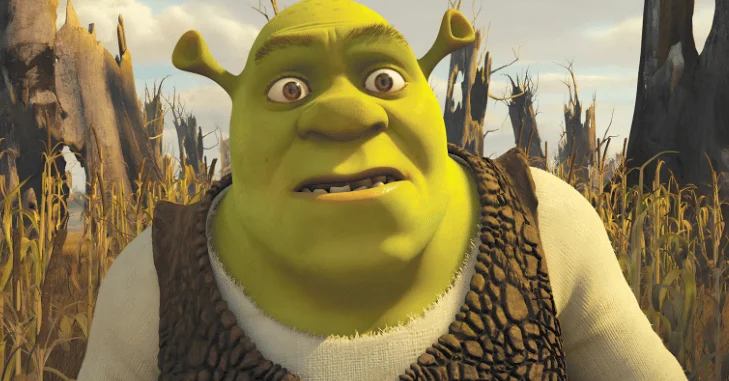
There is no single required meaning today. A caption usually determines whether the grin looks charming, devious, awkward, or self-satisfied. That flexibility gives the reaction more uses than a meme tied to one joke.
A romantic caption can turn the image into exaggerated flirting. A joke about getting away with something can make the same face look suspicious. A confident caption can make it read like someone silently celebrating a small victory.
The expression also sits between a smile and a smirk. That ambiguity matters because viewers can project different emotions onto it. Reaction memes often last longer when their facial expression supports several interpretations.
Recent meme archives continue describing the image as a reaction for flirtation, schemes, or quiet menace. That description shows how far the online meaning moved from the original reassuring scene.
Why This Particular Reaction Image Works So Well
The first reason is familiarity. The character has been part of American popular culture since the franchise began in 2001. Viewers can recognize the green face before they understand the caption.
The second reason is contrast. A character often associated with blunt behavior suddenly gives a soft, knowing grin. The mismatch creates humor before any text appears.
Third, the facial expression is easy to reinterpret. It is not clearly happy, evil, romantic, or embarrassed. That uncertainty lets meme creators supply their own meaning through surrounding text.
The franchise also has a long history of online remixing. Different generations of users have created image macros, surreal jokes, videos, and reaction clips. A newer expression can therefore join an established meme culture without needing much explanation.
The Smile Is Not Always the Same Image
Search results for this meme can look surprisingly inconsistent. Imgflip lists multiple separate templates carrying almost identical names. One template uses a 1200-by-674 image, while another older upload uses a much smaller image.
GIF libraries add even more variations. Tenor hosts looping clips featuring different angles, clothing, expressions, and edits. Some entries emphasize an evil grin, while others label the same expression as a smirk.
That variety matters when someone searches for the original. The “rizz” version specifically refers to the knowing look associated with Shrek the Third. Generic search results may instead show any frame where the character happens to grin.
For meme creators, this variety is useful. A broad smile fits cheerful jokes, while the tilted smirk works better for suspicious captions. Choosing the right frame can change the entire tone.
How People Use the Reaction Today
One common use involves flirtation. The image appears after intentionally cheesy pickup lines or jokes about unexpected charm. Its exaggerated confidence makes an ordinary statement seem deliberately ridiculous.
Another use involves secret plans. A caption might describe someone noticing an opportunity and saying nothing. The knowing expression then becomes the punchline without needing additional explanation.
The reaction also works for awkward situations. A forced-looking smile can communicate discomfort while pretending everything is fine. This interpretation is especially effective when the caption describes social pressure.
Finally, the meme can function as simple absurdist humor. Sometimes recognizing a famous animated face in an unexpected context is enough. The internet rarely requires one permanent interpretation for a successful reaction image.
Shrek Smiling GIFs, Images, and Templates
People looking for a reusable version have several common options. Imgflip provides static templates that users can caption directly. Tenor and similar GIF databases carry animated loops for messages and social posts.
Static images work well when the caption is the main joke. GIFs add timing and movement, making the expression feel more deliberate. Short video edits can add music for the familiar “rizz” presentation.
You should also consider copyright before commercial reuse. A meme appearing widely online does not automatically make the underlying movie frame public domain. Personal reaction use and commercial publishing can involve different considerations.
For broader entertainment reading, NewsJoury also covers performers and screen characters. Readers can explore its profile of Nicole Sullivan for more animation and voice-work coverage. The site also has entertainment features about the Soldier Boy actor and the television character James Dutton.
Why the Meme Still Feels Recognizable
Memes usually depend on speed, but recognizable characters can give them longer lives. The face remains understandable even for users who missed the earliest TikTok edits. Someone can still read confidence or mischief from the expression alone.
The original movie context adds another layer for longtime fans. People who know the scene understand that the internet changed its meaning dramatically. That gap between story context and meme context becomes part of the joke.
There is also evidence that the expression remains recognizable in current online discussion. Reddit users still compare unrelated character smiles to the famous third-film expression. Such comparisons show that the visual has become a reference point itself.
That makes the meme useful beyond nostalgia. It now functions as a compact visual language for several emotions. A single grin can communicate more than its original scene ever intended.
Frequently Asked Questions
Where is the Shrek smiling meme from?
The best-known Shrek smiling meme comes from Shrek the Third. The character appears to have been stabbed during Prince Charming’s performance. He then gives Arthur a small smile to show that the apparent injury is not real.
The movie was released in the United States in 2007. Online edits later removed the scene from its reassuring context. The expression then gained new meanings through reaction posts and short-form video.
Why is the smile called “Shrek Rizz”?
Internet users connected the look with “rizz,” slang for romantic charm. TikTok edits presented the expression as an exaggerated confident stare. Dramatic music helped turn a reassuring movie moment into a flirting joke.
The nickname does not describe the original scene. It describes how internet users reinterpret the facial expression. That distinction explains why the movie context feels different from modern memes.
What movie contains the famous smirk?
The widely shared rizz-style smirk comes from Shrek the Third. The movie is the third feature in the main animated series. It was released theatrically in the United States on May 18, 2007.
Other movies and scenes contain different smiles from the same character. Those images can also appear under similar search labels. Checking the exact frame helps distinguish them.
What does the reaction usually mean?
The reaction can suggest flirting, confidence, mischief, or a secret plan. Its meaning depends heavily on the caption around it. Some posts also use the face for awkwardness or mock innocence.
That flexibility explains much of its staying power. Creators do not need to preserve one established punchline. They can reuse the expression whenever a knowing smile fits the joke.
Where can you find a blank template?
Imgflip maintains several user-uploaded blank templates associated with the expression. GIF platforms such as Tenor also host animated versions. Their available files vary in dimensions, quality, and exact scene.
For publishing, confirm that your intended use follows the platform’s rules and applicable copyright requirements. A template website provides editing access, not automatic ownership rights. Commercial users should be especially careful about licensed movie imagery.
The Lasting Joke Behind the Grin
This reaction endured because the internet gave a simple movie expression several new personalities. It can be charming in one post, suspicious in another, and awkward in the next. The source scene provides context, but the caption now controls the joke.
For viewers rediscovering the image, Shrek the Third supplies the missing origin story. For meme users, the expression has already become its own visual shorthand. That combination of nostalgia and flexibility keeps the grin recognizable years after its online breakout.
