
Last Updated on April 9, 2026 by Nasir Hanif
Designing a family-friendly home in Qatar involves more than aesthetics; it requires careful consideration of functionality, comfort, and safety. As families grow, their needs change, and creating a space that adapts to these evolving requirements is crucial in Qatar’s interior design realm. This article explores practical interior design tips that cater to families while reflecting Qatar’s unique cultural and environmental context.
Prioritise Open and Flexible Layouts
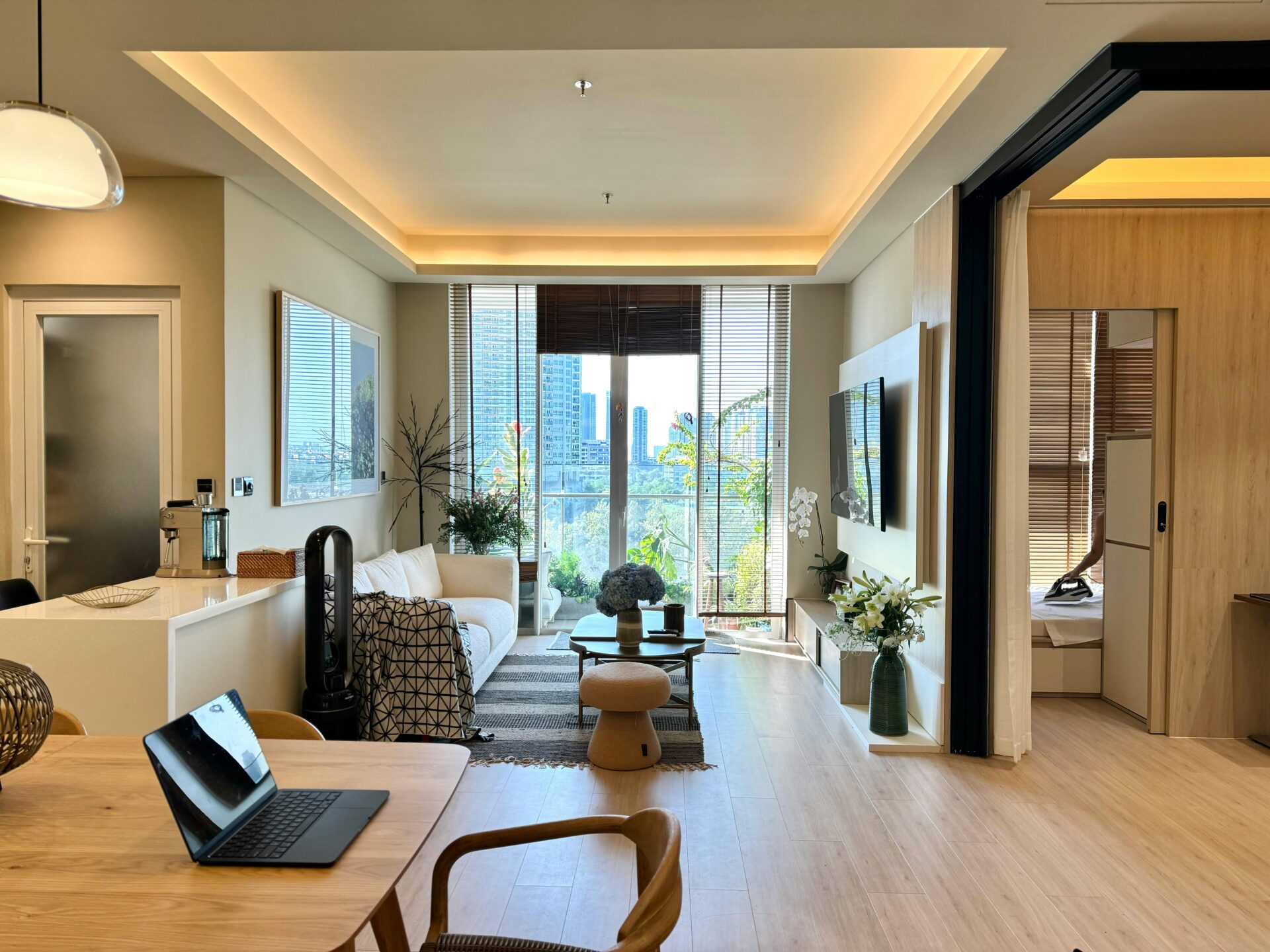
An open-plan design enhances connectivity and interaction among family members. Consider a spacious living room that flows into the dining and kitchen areas. This setup maximizes space and allows parents to watch children while cooking or working.
Tips:
- Use multipurpose furniture, such as extendable dining tables and foldable chairs, to create adaptable spaces.
- Opt for glass partitions instead of solid walls to maintain a sense of openness while defining areas.
Interior Design
Creating family-friendly spaces in Qatar requires a thoughtful approach to interior design, balancing comfort, functionality, and cultural aesthetics. Given the region’s warm climate, homes benefit from open layouts that encourage airflow, light-colored furnishings, and natural materials like wood and stone to maintain a cool ambiance. Safety is a priority, especially in households with young children, so opting for rounded furniture, soft rugs, and child-proof storage solutions is essential.
Since family gatherings are a significant part of Qatari culture, spacious living areas with modular seating and multipurpose furniture can enhance hospitality. Integrating smart home technology also allows for energy efficiency and convenience, making daily life smoother. Whether designing play areas, cozy reading nooks, or entertainment zones, a well-planned interior fosters a warm and inviting environment where every family member feels at home.
Focus on Open Spaces
In family homes, open spaces can enhance interaction and connectivity among family members. Open-plan living areas combine the kitchen, dining, and living spaces, creating a seamless flow that encourages family gatherings and activities. To maximize this design, consider using multifunctional furniture like extendable dining tables and modular seating that can adapt to various occasions, whether family dinners or casual gatherings. Additionally, incorporating large area rugs can define different zones within an open layout, helping to create a sense of organization.
Incorporate Durable Materials
Families, especially those with young children, need interiors that can withstand wear and tear. Choosing durable materials is essential. Opt for stain-resistant fabrics for sofas and chairs, and select rugs made of synthetic fibers that are easier to clean. Tiles are a practical choice for flooring in high-traffic areas as they are easy to maintain and can handle spills, which is especially important in homes with children. Furthermore, consider using treated wood or laminate for furniture to enhance durability and longevity.
Create a Safe Environment
Safety is paramount when designing family-friendly spaces. Here are a few tips to ensure your home is child-safe:
- Secure furniture: To prevent tipping, Anchor bookshelves, and tall furniture to the walls. This is especially crucial in homes with toddlers who are exploring their environment.
- Use rounded furniture: Opt for furniture with rounded edges to minimize the risk of injury. Additionally, choose non-toxic materials and finishes to create a healthier indoor environment.
- Install childproof locks: Use childproof locks on cabinets and drawers that contain cleaning supplies or sharp objects to keep children safe.
Incorporate Smart Storage Solutions
Clutter can quickly accumulate in family homes, making it challenging to maintain a tidy environment. Smart storage solutions can help keep your home organized and functional. Consider the following ideas:
- Built-in storage: Utilize built-in shelves and cabinets to maximize space efficiently. Custom storage solutions can be designed to fit your family’s needs, whether it’s books, toys, or sports equipment.
- Multi-functional furniture: Invest in furniture that serves dual purposes. For instance, ottomans with storage compartments can store toys while providing extra seating.
- Vertical storage: Use vertical space wisely by incorporating shelving units and wall-mounted storage to keep items off the floor.
Design Kid-Friendly Zones
Creating dedicated zones for children can help keep their play and activities organized. Here are some ideas for designing kid-friendly spaces:
- Play areas: Designate a specific area for play, such as a playroom or a corner of the living room. Use colorful rugs and soft furnishings to create a cozy environment. Consider incorporating a chalkboard wall or magnetic boards for creative expression.
- Homework stations: Set up a study area with comfortable seating, adequate lighting, and organizational tools to help children focus on their homework. This can be integrated into the living room or a separate nook in the house.
- Art and craft corner: Dedicate a small area for arts and crafts, equipped with storage for supplies. This encourages creativity while keeping materials organized and contained.
Utilize Natural Light
Natural light plays a significant role in enhancing the mood of a home. In Qatar, where sunshine is abundant, maximizing natural light can help create a warm and inviting atmosphere. Consider the following strategies:
- Large windows: Install large windows or glass doors to bring in light and connect indoor spaces with outdoor areas. This is particularly effective in living areas and kitchens.
- Light-colored walls: Use light colors for walls and furnishings to reflect sunlight and make spaces feel larger and more open. Neutral tones can also serve as a backdrop for colorful accents.
- Mirrors: Strategically placed mirrors can help bounce light around the room, making spaces feel brighter and more spacious.
Incorporate Cultural Elements
Qatar’s rich cultural heritage can be reflected in interior design. Incorporating local elements creates a unique aesthetic and makes the home feel more connected to its surroundings. Here are a few ways to integrate cultural touches:
- Traditional textiles: Use Qatari textiles like handwoven rugs or cushions featuring traditional patterns. These can give the room individuality and warmth.
- Artwork: Display local artwork or photographs that showcase Qatari landscapes, architecture, or cultural events. This adds a personal touch and promotes cultural appreciation.
- Color palette: Choose a color palette inspired by the natural surroundings of Qatar, such as earthy tones, sandy beiges, and ocean blues, to create a calming and harmonious atmosphere.
Plan for Outdoor Living
Given Qatar’s climate, outdoor spaces can significantly enhance family life. Designing outdoor areas that are functional and comfortable can provide additional space for family gatherings and activities. The following advice relates to outdoor design:
- Shade solutions: Incorporate pergolas, awnings, or shade sails to provide relief from the sun while allowing outdoor enjoyment.
- Comfortable furniture: Choose weather-resistant outdoor furniture that offers comfort for lounging or dining.
- Landscaping: Incorporate low-maintenance plants and greenery to enhance the outdoor environment while ensuring it’s easy to care for.
Personalize with Family Touches
Finally, make your home uniquely yours by adding personal touches that reflect your family’s personality and interests. Display family photos, children’s artwork, or souvenirs from family trips to create a sense of belonging and nostalgia. This enhances the warmth of your home and encourages family bonding and storytelling. Consider making a dedicated gallery wall for rotating art pieces and cherished memories.
Conclusion
Creating a family-friendly home in Qatar requires thoughtful planning and consideration of various factors, including safety, functionality, and cultural elements. You can design an inviting and practical environment that meets your family’s needs by focusing on open spaces, durable materials, smart storage, and personal touches. Ultimately, a well-designed family space enhances everyday living and fosters community and connection among family members. A carefully curated home can evolve alongside your family, adapting to new stages of life while continuing to be a place of love and growth.
Also, if you want to know about Fake Plants for Every Room: A Guide to Stylish, Maintenance-Free Greenery, please visit our Home Improvement Category.
For more insights on researching requirements before designing family-friendly spaces, check out How to Make Requirement File for Research Paper Before Writing It.
For more insights on planning and researching before starting a project, check out How to Make Requirement File for Research Paper Before Writing It.
